Back to School Bookshelf Outline: Organize and Inspire Your Learning Space
As summer winds down and the school year approaches, many of us are looking for ways to create a productive, inviting environment for students—whether in a classroom, a homeschool room, or a child’s bedroom. A well-organized bookshelf does more than store books; it sets the tone for learning, encourages reading, and keeps essential supplies within easy reach. The Back to School Bookshelf Outline is a versatile digital design that helps you transform a simple shelf into a focused, motivational space. This article explains what this resource is, why it matters, and how you can use it to solve common back-to-school challenges.
What Is the Back to School Bookshelf Outline?
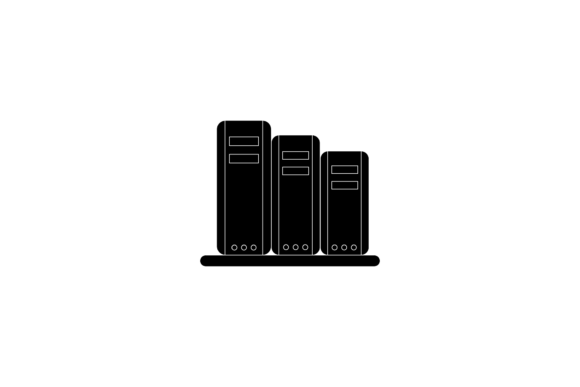
The Back to School Bookshelf Outline is a collection of digital files—AI, EPS, SVG, DXF, JPG, and PNG formats—that feature a detailed outline of a bookshelf filled with school-themed elements. Think stacks of textbooks, pencils, apples, rulers, and other classroom icons, all arranged in an attractive shelf silhouette. The canvas size is 1920px by 1280px, giving you plenty of resolution for both screen and print use. Because the files come in multiple vector and raster formats, you can edit, resize, and customize the design to fit your exact project.
This is not a physical product—it’s a digital template that you can use for creating decorations, labels, cut files for vinyl, or design elements for signs and banners. Whether you are a teacher prepping your classroom, a parent helping your child organize a reading corner, or a crafter making back-to-school gifts, this outline provides a flexible foundation.
Why a Bookshelf Outline Matters for Back-to-School Prep
Getting ready for the school year often means dealing with clutter, mismatched supplies, and a lack of visual motivation. Students of all ages perform better when their learning environment is organized and personalized. A bookshelf outline helps you achieve that in several ways:
- Visual clarity: The outline gives you a clear framework for arranging items. Instead of randomly piling books, you can use the design as a reference or as an actual decal to mark where things go.
- Motivation and theme: Back-to-school icons remind students that learning is exciting. The apple, pencil, and book motifs create a positive association with study time.
- Space utilization: By planning a layout around the outline, you can maximize shelf space and reduce wasted areas.
- Customization: Every family or classroom has unique needs. The editable files let you add names, subject labels, or specific book titles to the design.
Without a structured approach, a bookshelf can become a catch-all for papers, toys, and forgotten books. The Back to School Bookshelf Outline gives you a starting point that is both practical and inspiring.
Challenge 1: Creating an Inviting Reading Area
Many parents and teachers struggle to make reading nooks appealing. Children may resist visiting a messy shelf. By using the outline as a decal on a wall or a sticker on the shelf itself, you instantly create a designated “book zone” that feels special. The recognizable school symbols signal that this place is for learning. For example, you could cut the outline from adhesive vinyl and apply it directly to a blank wall above the shelf, using the icons as guides for where to place different types of books: picture books under the apple, chapter books under the ruler, and so on.
Challenge 2: Keeping Supplies Organized
Backpacks spill over, pencils roll off desks, and notebooks pile up. The outline can be printed on cardstock or laminated and used as shelf dividers or labels. Each icon in the design can correspond to a category: pencils for writing tools, books for reading materials, apples for homework or graded papers. You can edit the JPG or PNG file in a photo editor to add text labels, then print and attach. This system helps students (and their parents) find what they need quickly.
Challenge 3: Adding a Personal Touch Without Permanent Changes
Renting a classroom or living in a dorm? The Back to School Bookshelf Outline is a removable solution. Since it comes in SVG and DXF formats, you can use a cutting machine (like Cricut or Silhouette) to create temporary wall decals or reusable stencils. Apply them with removable adhesive, then peel off at the end of the year. No paint, no permanent markers, and no damage.
Challenge 4: Engaging Different Learning Styles
Visual learners thrive on color and structure, while kinesthetic learners benefit from hands-on organization. The outline can be used in multiple ways: as a coloring page for younger children (print the JPG and let them color the books and pencils), as a planning tool for older students (they can sketch their own arrangement on the outline), or as a digital background for a homework station screensaver. This flexibility makes the resource suitable for a wide age range.
Practical Applications and Real-World Outcomes
Here are specific ways different users can implement the Back to School Bookshelf Outline:
- Teachers: Project the outline onto a bulletin board and cut out paper shapes for each student’s book recommendations. Or print the SVG on vinyl to create a permanent welcome sign near the classroom library.
- Homeschooling Parents: Use the EPS file in Adobe Illustrator to add your children’s names next to each shelf section. Then print and frame it as a decorative daily schedule helper. The outline doubles as a visual checklist: “We finished math (apple), now let’s read (book shelf).”
- DIY Crafters: Combine the DXF file with other back-to-school designs to make gift tags, bookmarks, or tote bag iron-ons. The 1920x1280 canvas size ensures crisp details even when scaled down.
- Librarians: Create a giant poster version from the JPG to label different sections of the library. Place the outline at the entrance and ask students to “fill” the shelves with sticky notes representing books they have read.
- Parents of multiple children: Edit the AI file to assign each child a color-coded shelf within the outline. Pair it with colored bins that match the icon colors. This reduces arguments over whose book is whose and builds independent organization habits.
Outcomes you can expect from using the outline include a more orderly space, fewer misplaced items, and a stronger visual connection between the environment and learning goals. Students report feeling more “ready to learn” when they see dedicated shelves symbolizing school subjects. In one example, a teacher used the outline to create a “Bookshelf of the Month” challenge—students added a paper book cutout for every five books they finished. Reading increased by 30% that quarter.
Recommendations for Getting the Most Out of Your Files
The Back to School Bookshelf Outline comes in six formats to accommodate different workflows. Here are some considerations:
For Digital Editing and Screen Use
Stick with the AI or EPS file if you have Adobe Illustrator or CorelDRAW. These vector formats let you change colors, remove elements, or rearrange the icons without losing quality. You can also adjust the size—for example, making the shelf taller to fit a specific wall space. If you only need a raster image for a website or social media, the PNG (with transparent background) is ideal. Use the JPG for quick printing or presentations.
For Cutting Machines
The SVG and DXF files are optimized for Cricut Design Space, Silhouette Studio, and similar software. When importing, ensure your canvas matches the 1920x1280 aspect ratio to avoid stretching. You may want to separate the icons into individual layers so you can cut different colors. For example, cut books in red, the shelf in brown, and pencils in yellow, then assemble them as a layered decal.
For Printing
If you plan to print on standard letter-size paper, you will need to scale down from 1920x1280 pixels. At 300 DPI, that canvas translates to roughly 6.4 x 4.27 inches. That’s a good size for a shelf label or a bookmark. For a poster, you can scale up in a photo editor—the vector files (AI, EPS, SVG) will remain sharp at any size. When printing, use a heavy cardstock or adhesive vinyl for durability, especially if the outline will be handled frequently.
Why Different Users Approach This Tool Differently
One of the strengths of the Back to School Bookshelf Outline is its adaptability. A teacher focused on curriculum might use it as a decorative element that aligns with a reading challenge. A parent who is short on time might simply print the JPG and tape it to the shelf as a quick visual guide. A meticulous planner might spend an afternoon editing the AI file to add exact measurements and labels, then use the SVG to cut permanent vinyl decals.
The approach also varies by age group. For preschoolers, the outline can be a large floor puzzle—print it on multiple sheets and assemble it with tape. For high schoolers, the PNG file can become a digital wallpaper on their laptop, reminding them of their reading goals. For special education settings, the simple outlines of familiar objects (apple, book, pencil) can support visual schedules and transitions.
Ultimately, the resource serves as a launchpad rather than a finished product. The user’s creativity determines the final impact. But having that structured foundation saves time and reduces the guesswork of “what should I put where?”
Key Considerations Before You Start
- Check your software compatibility: AI and EPS files work best in Adobe products; SVG and DXF are universal for cutting machines; JPG and PNG are viewable on any device.
- Plan your project size: Knowing where you will display the outline (wall, bin, notebook) helps you choose the right format and scale.
- Test print on plain paper first: Especially for complex decals, a test run saves materials and frustration.
- Combine with physical bins: The outline works best when paired with actual bins or baskets that correspond to the icons. This creates a seamless system from visual to tactile.
Whether you are a seasoned crafter or a first-time classroom decorator, the Back to School Bookshelf Outline offers a practical, solution-oriented tool. It bridges the gap between an unorganized shelf and a purposeful learning station, all while saving you design time. By integrating this resource into your back-to-school routine, you set up a space that supports focus, independence, and a love for reading.