Designing the Ultimate Back to School Science Lab Equipment Collection
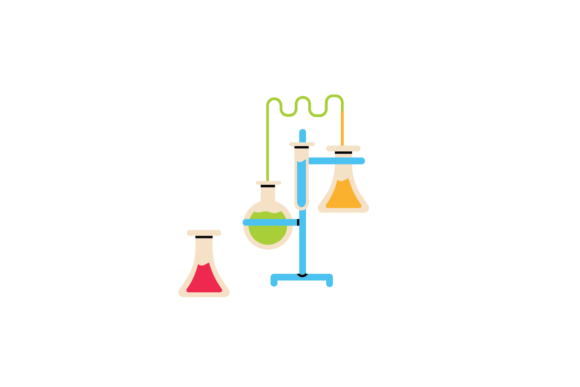
Every autumn, classrooms stir back to life, and among the most anticipated moments for students and teachers alike is the return to hands-on learning in the science lab. From bubbling beakers to precise microscopes, the imagery of laboratory equipment carries a powerful educational and creative energy. Now imagine channeling that energy into a versatile design that can move seamlessly from a student’s T-shirt to a poster on the lab wall, from a sticker on a laptop to a tote bag carried between classes. A well-crafted Back to School - Science Lab Equipment design does exactly that, and understanding how to leverage its potential across multiple formats and use cases opens up a world of practical and commercial opportunity.
This design is created as a fully scalable, editable artwork available in five industry-standard file formats: AI, EPS, SVG, JPG, and PNG. Each canvas is sized at 1920 pixels wide by 1280 pixels tall, ensuring high resolution and clarity whether you are printing on fabric, paper, or vinyl. The flexibility of these formats means that educators, creators, small business owners, and hobbyists can all take the same core design and adapt it to their specific needs without starting from scratch.
Why Science Lab Equipment Imagery Resonates in Back to School Contexts
Science equipment is more than just glassware and gadgets. It represents discovery, experimentation, and the thrill of learning how the world works. When you combine that with the back-to-school season, you tap into a moment of fresh starts and intellectual curiosity. A design featuring beakers, test tubes, safety goggles, microscopes, and molecules speaks directly to students who are about to embark on new lessons, to teachers who want to inspire their classrooms, and to parents who value education.
The visual language of a science lab is universally recognized. Flasks, bunsen burners, atom symbols, and DNA helixes communicate STEM themes at a glance. This makes the design not only attractive but also highly functional for marketing, branding, and personal expression. Schools, science clubs, tutoring centers, and educational nonprofits can all use such a design to signal their focus on science literacy.
Who Benefits Most from This Design Approach
The audience for a Back to School - Science Lab Equipment design is broader than you might expect. Here are some key groups that find real value in this artwork:
- Educators and school administrators who need cohesive visual materials for science fairs, lab safety posters, classroom decorations, or staff T-shirts.
- Students and parents looking for unique back-to-school apparel or accessories that reflect a love for science.
- Small business owners selling educational merchandise on platforms like Etsy, Redbubble, or at local markets. The multi-format availability means they can produce everything from stickers to tote bags without multiple design files.
- Graphic designers and content creators who want a ready-to-use base for further customization, such as adding school names, mascots, or event dates.
- Hobbyists and DIY enthusiasts who enjoy creating personalized gifts, scrapbooks, or home decor with a scientific theme.
- STEM organizations and outreach programs that need branded materials for workshops, camps, or community events.
Understanding the Five File Formats and Their Best Uses
Each of the five file types included serves a different purpose. Knowing which format to use for which application ensures the best quality and ease of editing. The design is delivered in AI, EPS, SVG, JPG, and PNG, all at 1920x1280 px canvas size.
AI (Adobe Illustrator) and EPS (Encapsulated PostScript)
These are vector formats, meaning the design is built from mathematical paths rather than pixels. You can scale them to any size without losing sharpness. AI and EPS are the go-to choices for professional printing and large-format applications like posters, banners, or screen printing on T-shirts. If you are a designer or a print shop, you will appreciate the layered structure that allows you to change colors, rearrange elements, or combine the artwork with other graphics. Teachers can also use these files to create oversized wall charts or bulletin board displays that retain crisp lines even when blown up.
SVG (Scalable Vector Graphics)
SVG is the web-friendly vector format. It is ideal for digital use, such as embedding in a school website, adding to a digital newsletter, or using in a presentation. SVGs maintain clarity on any screen size, which is essential for responsive design. For creators who sell digital downloads, SVG is a popular choice because it can be imported into numerous software applications, including free tools like Inkscape and web-based platforms like Canva (with SVG support).
JPG (Joint Photographic Experts Group) and PNG (Portable Network Graphics)
These are raster formats suitable for quick use and sharing. The JPG offers a smaller file size, perfect for emailing to parents, uploading to social media, or inserting into documents where editability is not required. The PNG supports transparency, which is incredibly useful when you want to place the design over a colored background, such as on a notebook cover or a fabric print. If you are making stickers, the PNG transparency allows you to cut around the design cleanly without white edges.
Practical Applications Across Multiple Products
The same Back to School - Science Lab Equipment design can be applied to a wide array of items. This versatility is what makes the multi-format package so valuable. Let us explore some common use cases and the considerations for each.
Apparel: Shirts, Lab Coats, and Spirit Wear
T-shirts are perhaps the most popular canvas for this design. Using the AI or EPS files, a screen printer can separate colors easily and create a vibrant print on fabric. For a more subtle look, you can adjust the design to a single color and print it on a lab coat for a science teacher. Hoodies, sweatshirts, and even hats can carry the same graphic, creating a coordinated look for a science club or a back-to-school event. When preparing apparel files, remember that the 1920x1280 px canvas size gives you ample resolution for chest prints, but you may need to scale down for smaller items like caps or pocket logos.
Posters and Classroom Decorations
Large posters are effective for setting the tone in a classroom or a science fair booth. The vector formats allow you to print the design at sizes of 24x36 inches or larger without pixelation. You can also customize the poster by adding a school name, a motivational quote about science, or a list of lab safety rules around the central artwork. PNG files with transparency are excellent for layering the design over a background color or a grid pattern, giving your poster a professional look with minimal effort.
Stickers and Labels
Stickers are a low-cost, high-impact way to use the design. Students love putting them on laptops, water bottles, binders, and lockers. With the SVG or PNG formats, you can cut the stickers in any shape, matching the contours of a beaker or a molecule. For a sheet of mixed stickers, the JPG format works well if you arrange multiple small versions of the design on a single page. Sticker shops often request vector files for die-cut production, so having AI or EPS ready is a major advantage.
Tote Bags and Accessories
Canvas tote bags are a sustainable and popular item for back-to-school. The design can be screen printed or heat pressed onto fabric. Because the canvas texture may absorb ink differently, having a high-resolution PNG or JPG helps the printer maintain sharp details. Tote bags with a science theme appeal to students carrying textbooks, as well as teachers who want to bring supplies to and from school. The same approach extends to pencil cases, backpacks, and even face masks.
Cards and Stationery
Greeting cards, thank-you notes, and lab report covers can all feature this design. The PNG format with transparency lets you place the graphic on a card template with a custom background. For digital cards shared via email or social media, SVG ensures the design looks crisp on any device. Teachers can use the artwork to create themed stationery for parent communications or for acknowledging student achievements in class.
Editing and Customization: Making the Design Your Own
Ease of use is a central promise of this design package. The AI and EPS files are organized with layers and groups, so you can turn elements on or off, change colors, and add text without disturbing the overall composition. For example, a teacher might want to replace the generic beaker color with the school’s colors, or add a banner that says “Welcome Back, Scientists!”. A small business owner selling on a print-on-demand platform can quickly create variants for different seasons or events.The SVG file is also editable in many programs. You can open it in a web browser, in vector editing software, or even in some word processors. This makes it accessible to users who may not have advanced design skills. The JPG and PNG files serve as ready-to-print or ready-to-post options for those who simply want to use the design without any modifications.
Considerations for Print Quality
When printing on physical products, always test a small sample first. Screen printing on dark T-shirts may require an underbase layer, which the vector files can help prepare. For posters, ensure that the printer supports high DPI (300 or more) for best results. The 1920x1280 px canvas at 72 DPI gives approximately 26.7x17.8 inches for screen use, but for print you may need to scale from the vector files to achieve larger sizes with full quality. If you are using the JPG or PNG for print, check the resolution matches your output size needs.
Real-World Observations from Educators and Creators
In practice, educators who have used this type of design report that students respond positively to science-themed visuals that feel modern and fun. A classroom decorated with lab equipment graphics creates an immersive environment that sparks conversation before the lesson even begins. One middle school teacher noted that a simple poster featuring a colorful array of beakers and test tubes helped reduce anxiety about the first lab day, as it made the space feel welcoming rather than intimidating.
Small business owners on print-on-demand platforms often highlight the time savings of having a multi-format design. Instead of manually converting files or redrawing elements for each product, they upload the appropriate format once and let the platform handle the rest. The PNG with transparency is especially valued for products like stickers and phone cases where precise placement matters. Several creators also customize the design by adding local school names or event dates, which increases relevance and sales during the back-to-school season.
Trends in Educational Merchandise
There is a growing trend toward personalized and thematic educational merchandise. Parents and students increasingly choose items that reflect interests and aspirations, and STEM themes are among the most popular. The Back to School - Science Lab Equipment design fits perfectly into this trend because it is both educational and aesthetically pleasing. Minimalist vector styles, bright accent colors, and clear iconography resonate with younger audiences while still looking professional for adult use.
Another trend is sustainability. Tote bags, reusable water bottles, and fabric posters are all eco-friendly alternatives to disposable decorations and single-use plastics. A design that can be applied across many products encourages reuse and long-term engagement with the science theme.
Practical Tips for Maximum Impact
To get the most out of this design, consider the following strategies:
- Choose the right format for your workflow. If you are a designer, work with AI or EPS. If you are a teacher creating digital materials, use SVG or PNG. For quick email sharing, JPG is your friend.
- Test colors on different materials. A design that looks vibrant on screen may print differently on a dark T-shirt or a matte poster. Use the vector files to adjust color profiles if needed.
- Think about scale and placement. The 1920x1280 px canvas is a 3:2 ratio, which works well for many products. For square items like stickers or bag patches, you may want to crop or rearrange elements within the canvas.
- Combine with text intentionally. Adding phrases like “Science Squad,” “Future Chemist,” or “Lab Life” can personalize the design without overwhelming the imagery. Use fonts that complement the clean, modern style of the laboratory equipment.
- Bundle with other thematic designs. If you are creating a whole back-to-school collection, a science lab equipment design pairs nicely with math symbols, books, or nature motifs.
The true strength of this design lies in its adaptability. Whether you are a parent looking for a unique first-day-of-school shirt, a teacher decorating a lab, or an entrepreneur launching a science-themed product line, the combination of five file formats and a well-conceived canvas size ensures that you can move from idea to finished product with confidence. By understanding the capabilities of each format and the needs of your specific audience, you can turn a single design into a full spectrum of educational and commercial possibilities.
From the moment a student slips on a science lab T-shirt to the time they carry their books in a themed tote, the imagery becomes part of their daily experience. It reinforces the idea that science is not confined to a classroom or a textbook—it is a mindset, a conversation starter, and a source of curiosity that lasts well beyond the school bell. And with a design that is as easy to use as it is to edit, that message can reach as many people as you imagine.