Teacher Back to School Sublimation: A Practical Guide to Custom Classroom Gear
Every August, educators across the country start thinking about fresh bulletin boards, new lesson plans, and a wardrobe that signals the beginning of another school year. For many teachers, personalizing their own shirts, totes, and classroom accessories has become part of that back-to-school ritual. Teacher back to school sublimation designs offer a way to create vibrant, durable custom pieces that stand up to the wear and tear of a school environment. If you are exploring customization options—whether for your own use, as a gift for a colleague, or as a small side project—understanding how sublimation works and where it fits alongside other methods can help you make a confident choice.
This article walks through what teacher back to school sublimation means in practical terms, how it compares with other customization approaches, and when it might be the best fit for your project. The goal is to give you a clear picture so you can decide if sublimation aligns with your needs, tools, and expectations.
What Is Teacher Back to School Sublimation, Really?
At its core, sublimation is a heat-based process that transfers a design from a special paper onto a fabric or surface using pressure and high temperature. The ink turns into a gas and bonds directly with polyester fibers or a polymer coating. The result is a permanent, full-color print that does not crack, peel, or fade the way some other transfer methods can.
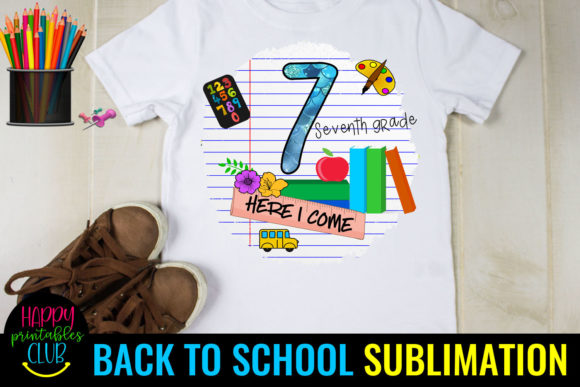
When you purchase a teacher back to school sublimation design as an instant download, you are buying a digital file—usually a high-resolution PNG with a transparent background. There are no physical items shipped to you. The file is designed to be printed with a sublimation printer and then transferred onto an appropriate item using a heat press. The design you see in the preview photo is exactly what you will print and press.
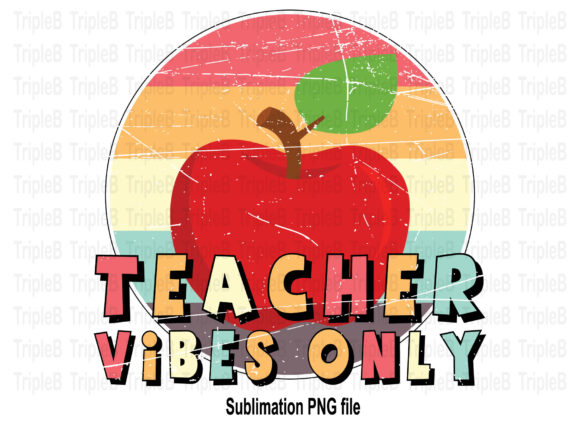
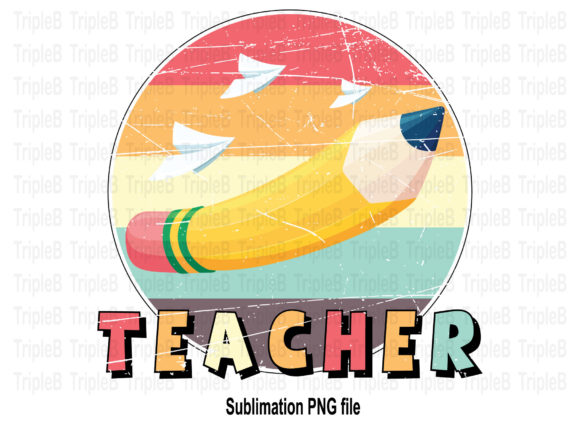
For example, a file might include a vintage-style illustration of a pencil surrounded by apples, books, and the words "Teacher" in a classic serif font. Because the PNG is 4000 x 3000 pixels at 300 dpi and uses CMYK color space, it is large enough to fit on a tote bag, a t-shirt, a mug, or even a small wall sign. The transparent background also means you can layer it onto existing materials without a white box around your design.
What makes teacher back to school sublimation distinct from other DIY customization is the combination of durability, color richness, and the ability to cover an entire surface seamlessly. Unlike iron-on vinyl, which leaves a plastic layer on top of the fabric, sublimation becomes part of the fabric. That difference matters for items that will be washed frequently or worn in active classrooms.
How Does It Compare to Other Customization Methods?
If you are comparing teacher back to school sublimation to other ways of personalizing apparel and accessories, a few key differences come into focus. Understanding these tradeoffs will help you match the method to your project.
Sublimation vs. Iron-On Vinyl (HTV)
Heat transfer vinyl is one of the most common alternatives. It involves cutting a design from colored vinyl sheets, weeding away the excess, and pressing the remaining pieces onto fabric. HTV is excellent for single-color or simple multi-color designs, and it works well on cotton t-shirts and other natural fibers.
However, because HTV creates a solid layer of material on top of the fabric, it can feel stiff, crack over time, and peel after repeated washings. Sublimation, by contrast, produces a print that is soft to the touch and does not add any extra layer. The color also stays vibrant through many cycles in the washing machine, as long as you use the right fabric type.
Tradeoff: If you are working with cotton or a cotton-blend item, HTV is often the better choice. Sublimation only bonds with polyester or polymer-coated surfaces. So if you love a particular 100% cotton tote, HTV might be your only option—unless you first apply a polyester coating spray, which adds complexity and inconsistent results.
Sublimation vs. Screen Printing
Screen printing is the go-to method for bulk orders of identical designs. It is cost-effective when you are making fifty or more shirts, and it works on a wide range of fabrics. But screen printing requires screens, inks, a press, and a learning curve. For a single shirt or a small batch of teacher gifts, screen printing is impractical and expensive.
Tradeoff: If you need one or two custom items for a teacher's welcome-back gift, sublimation offers far more flexibility and lower upfront cost. You do not need to order a dozen shirts to get a reasonable per-piece price. On the other hand, if you are outfitting an entire grade-level team with matching shirts, screen printing or a professional DTG service might save you time and money.
Sublimation vs. Direct-to-Garment (DTG)
DTG printing uses a specialized inkjet printer to apply ink directly onto fabric, similar to printing on paper. It works on cotton and produces soft, full-color prints. The catch is that DTG equipment is expensive, and most people rely on a service provider rather than doing it themselves.
Tradeoff: If you already own a sublimation printer and heat press, DIY sublimation gives you control over timing, design, and quantity. If you do not own the equipment, DTG services can be a turnkey solution. However, DTG prints may not be as wash-fast on dark garments as sublimation is on white polyester, and you pay per item for each print.
Strengths of Teacher Back to School Sublimation
When you choose a teacher back to school sublimation design, a few practical strengths stand out, especially for the classroom or teacher gift context.
- Full-color vibrancy without extra layers. Because the ink infuses the fabric, you can achieve photographic quality and gradients that would be difficult with vinyl. A vintage pencil-and-books design can include subtle shading and texture that looks like an illustration rather than a sticker.
- Durability through repeated washing. Teachers tend to wash their work clothes and tote bags often. Sublimation holds up well in warm water and low tumble dry settings. The design will not crack or peel because it is part of the fibers.
- No weeding or layering. With vinyl, you cut each color separately, weed away the excess, and line up the pieces precisely. Sublimation is a single print-and-press process. You print the digital file once, place it on the item, and press. That simplicity is appealing when you are making several different items in one afternoon.
- Transparent background flexibility. The PNG file with a transparent background means you can composite your design onto other graphics or apply it to items where you want the background to show through. For example, you might overlap the teacher design with a school logo or place it on a personalized name badge.
Limitations and Realistic Tradeoffs
No method is perfect, and teacher back to school sublimation has boundaries that are worth knowing before you begin.
- Fabric compatibility. Sublimation requires at least 50% polyester content for decent results, and 100% polyester or polymer-coated items give the best outcome. Cotton, linen, and most natural fibers will not hold the sublimation ink. If you are working with a favorite cotton t-shirt, sublimation will not work unless you use a special coating spray, and that is a hit-or-miss process.
- White or light base required. Sublimation inks are translucent. They show up vividly on white or very light-colored items, but on dark fabrics, the design barely registers. If you want a teacher design on a black or navy shirt, you would need to explore HTV or DTG instead.
- Equipment investment. You need a sublimation printer (or a converted inkjet printer with sublimation ink), sublimation paper, a heat press (an iron can work but is inconsistent), and software to print the PNG file correctly. If you are starting from scratch, the upfront cost can be a few hundred dollars. That might be worth it if you plan to make many items, but for a one-off gift, it is hard to justify.
- No physical item in the download. The file itself is just a digital image. Some buyers assume that "instant download" means they will receive a printed shirt or mug. The product description is clear—no physical items will be sent—but it is worth reiterating that you are purchasing the design file, not the finished product.
When Teacher Back to School Sublimation Is the Right Choice
Based on the strengths and limitations above, here are the scenarios where teacher back to school sublimation typically shines:
- You already own or have access to sublimation equipment and want to make custom items for yourself, a teacher friend, or a small team.
- You are designing for white or light-colored polyester blend apparel—think sport shirts, performance polo shirts, or soft-shell jackets that teachers often wear for fieldwork or spirit days.
- You value a soft, no-feel print that will not crack after many washes. If durability matters more than the ability to use cotton, sublimation is the stronger choice.
- You want to produce small batches (one to ten items) with full-color designs, and you do not want to deal with the setup costs or minimum orders of screen printing.
- You like the vintage aesthetic of pencil-and-book illustrations and want that look to be seamless and permanent on your item.
When an Alternative Might Serve You Better
Conversely, if you are in any of these situations, another approach may be more practical:
- You need to customize 100% cotton t-shirts for a large group. HTV or DTG will give you better results on natural fibers.
- You want a design on a dark-colored shirt. Sublimation will not show up. Consider HTV in a light or metallic color, or look for a DTG service that prints on dark garments.
- You are making a single gift and do not own any sublimation equipment. Buying a pre-made shirt from an online shop or using a local print shop may be cheaper and faster than buying all the gear.
- Your design includes small text or fine lines that you want to cut from vinyl. HTV can produce crisp, single-color lettering that sublimation can match, but with less effort for a single color.
Practical Examples to Help You Decide
Let me offer two realistic scenarios that illustrate the decision process.
Example 1: Sarah is a second-grade teacher who wants to make her own "Vintage Teacher With Pencil" shirt for the first day of school. She already has a heat press and a sublimation printer she uses for making gifts for family. She buys a white polyester blend polo from a craft store, downloads the PNG design, prints it onto sublimation paper, and presses it in under a minute. The result is a soft, vibrant shirt that she wears all year. For her, teacher back to school sublimation is a perfect match—she has the equipment, she values the comfort and durability, and she can produce exactly one shirt at low marginal cost.
Example 2: James is a principal who wants to give a thank-you tote bag to each of his twenty teachers. He likes the idea of using a vintage back-to-school design. He does not own any sublimation equipment, but he finds a local print shop that offers sublimation on polyester tote bags. He buys the digital design file and sends it to the shop, which handles the printing and pressing for a per-bag fee. In this case, the digital file is the input, but the production is outsourced. The tradeoff is that he saves on equipment but pays more per item. He still benefits from the durability and full-color look of sublimation.
Both Sarah and James ended up with a durable, professional-looking product. Their different paths show that teacher back to school sublimation designs work whether you DIY or hand them off to a service provider. The key is knowing your own access to tools and your tolerance for upfront cost.
Final Perspective on Choosing Your Approach
Teacher back to school sublimation is not a universal solution. Its real strength lies in projects where polyester-based materials, full-color designs, and long-term wash durability are priorities. For educators who want a soft, permanent print on a performance fabric, it is often the best DIY method available. For projects on cotton or dark items, or for those without sublimation equipment, other options like HTV or DTG services fill the gap.
The best decision comes from mapping the method to the item you are using, the equipment you have, and the quantity you need. Vintage pencil designs, apple motifs, and classic typography all lend themselves well to sublimation because the process preserves the nuance of the illustration. Whether you are making a single shirt for yourself or coordinating gifts for a whole staff, understanding these differences ensures you end up with a finished product that looks great and lasts through the school year—and beyond.