Fourth Grade Back to School Sublimation: What to Know Before You Buy or Use Digital Designs
There is a special kind of excitement when a child steps into fourth grade. They are old enough to have real opinions, young enough to still think parents are cool, and ready for a year of growth that surprises everyone. For creators, parents, and small business owners, capturing that milestone with the right design matters. Fourth Grade Back to School Sublimation designs have become a go-to for personalized projects, but using them well requires more than just downloading a file and hitting print. Whether you are making a shirt for your own child or producing items for customers, a few overlooked details can turn a great idea into a disappointment.
What Fourth Grade Back to School Sublimation Actually Is
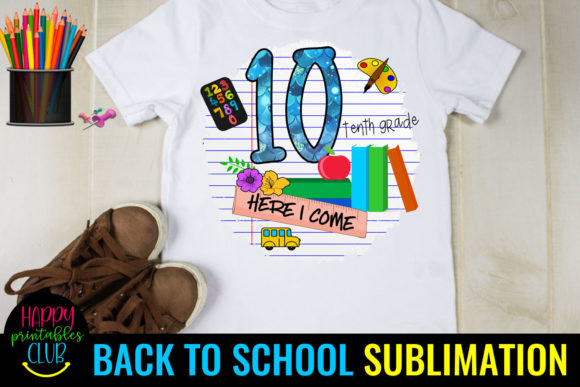
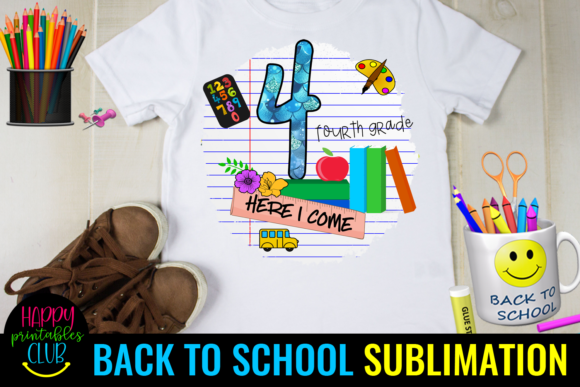
Sublimation is a printing method that uses heat to transfer dye onto materials like polyester, polymer-coated surfaces, or certain fabrics. Unlike vinyl or screen printing, the ink becomes part of the substrate rather than sitting on top. A Fourth Grade Back to School Sublimation design is a digital file, usually a PNG with a transparent background, sized at 12x12 inches and 300 DPI. That resolution is important because lower DPI leads to blurry prints. The design typically includes grade-specific graphics like "Fourth Grade," school-themed elements, and playful illustrations. Because it is a digital download, you get the file instantly and can use it repeatedly without reordering. The ZIP file you receive contains one high-resolution PNG, which you can resize, rotate, and apply to various products.
One common misunderstanding is thinking sublimation works on any surface. It does not. If you press a sublimation design onto a 100% cotton T-shirt, the image will wash out or look faded because the dye needs polyester to bond. For mugs, coasters, and tumblers, those items must have a polymer coating. Beginners often skip verifying the material compatibility and then wonder why the result looks washed out or ghosted. If you are using the design for scrapbooking, planner stickers, or greeting cards, you are likely printing on paper or cardstock with an inkjet printer. That is a different process entirely, and the sublimation file works fine for those applications because you are simply using the PNG as a digital element. Just be aware that the vibrant, permanent effect sublimation is known for only happens when you use the right substrate and heat press.
Overlooking Resolution and File Quality
The listing clearly states 300 DPI and a 12x12 inch size. That is excellent resolution for most projects. But some buyers assume they can enlarge the design significantly without losing quality. If you stretch a 12x12 PNG to fit a 20x20 inch tote bag, you will see pixelation. The image becomes blocky, and fine details like text or thin lines look jagged. Always check the dimensions before you plan your project. If you need a larger format, look for designs offered at a larger size or consider vector formats if available. For most shirts, mugs, notebooks, and coasters, 12x12 is perfectly adequate. Just do not push it beyond its limits without testing first.
Ignoring Color Variance Between Screen and Print
The listing includes a note about color variance depending on your monitor. That is not a disclaimer to ignore. Bright monitors, dark monitors, and different color profiles all shift how the design looks. A design that appears neon pink on your screen may print as a dusty rose on your mug. This happens because monitors use RGB color mode while sublimation printers typically use CMYK or a customized ICC profile. The safest approach is to request a proof if you are ordering custom printed items, or run a small test print on a coaster or practice substrate before committing to a batch of tumblers. If you are selling products, this step saves you from unhappy customers who expected a different shade.
Misunderstanding the Digital Download Nature
This is a digital product only. No physical items are shipped. Some creators, especially those newer to digital designs, expect the file to be ready to press immediately without any adjustments. While the PNG is press-ready in many cases, you still need to flip the image horizontally before pressing if you are using it on a shirt or fabric item. Sublimation requires a mirror image so the text reads correctly. Forgetting to mirror is one of the most frequent mistakes people make, and it ruins the project. Always mirror your design before sending it to the printer. For paper projects like scrapbooking, stickers, or invitations, you do not need to mirror because you are printing directly onto paper.
Using the Design on Incompatible Products
The listing mentions using this design on T-shirts, mugs, coasters, tumblers, scrapbooking, cliparts, planner stickers, invitations, greeting cards, flyers, tags, labels, craft items, notebook covers, and journals. That versatility is real, but each application has different requirements. For T-shirts, you need a high polyester content, at least 65% ideally, with 100% polyester giving the best results. For mugs and tumblers, they must have a sublimation coating. For paper-based projects, you can print the PNG directly with an inkjet printer. But do not assume that because it worked on a shirt, it will work on a ceramic plate without coating. Testing each material type before producing in bulk saves money and frustration.
Check Your Substrate Before You Press
Before you commit to a large order or a special project, press a small test piece. Use the same brand and material type you plan to use for the final product. Sublimation can be sensitive to slight variations in coating quality, fabric weave, and even the age of the substrate. A coaster from one supplier might take the ink differently than a coaster from another. If the test piece looks vibrant and the colors match expectations, proceed with confidence. If it looks dull, try increasing your press time by 10 to 15 seconds or raising the temperature slightly, but stay within the recommended range for your substrate.
Store Your Digital Files Properly
You receive one PNG in a ZIP file. Always extract the file before trying to open it. Keep the original ZIP as a backup. Save the PNG in a folder labeled "Sublimation Designs" or "Back to School" so you can find it next year. If you plan to use the design for multiple projects across different seasons, consider renaming the file with the grade and year to avoid confusion. A file named "4th_grade_2025_back_to_school.png" is easier to locate than "final_design_v3.png" when you are in a hurry.
Respect the Design Intended Use
Because this design works for so many applications, it is tempting to use it everywhere without checking whether the format suits the project. For cliparts and planner stickers, the PNG format is ideal because it has a transparent background. For flyers and invitations, you might want to place the design in a program like Canva or Photoshop and add text around it. That works beautifully. But if you need a vector file for very large signage, the PNG format may not scale as needed. Understanding the limits of the file format helps you choose the right tool for each project.
What to Check Before You Download or Buy
- Read the entire listing. The description includes file format, size, DPI, and important notes about color variance. Do not skim it. That note about color differences is not boilerplate. It directly affects your final product.
- Understand the license. Some digital downloads allow commercial use, others only personal. If you plan to sell items made with this design, confirm that the license covers commercial use. Respecting the creator's terms keeps your business ethical and avoids copyright issues.
- Check for design elements that may not transfer well. Thin lines, tiny text, or intricate details can blur during sublimation, especially on textured fabrics. If the design includes "Fourth Grade" in a delicate script font, test it on a similar fabric before producing a batch.
- Confirm your printer compatibility. Sublimation requires a special printer with sublimation ink. If you are printing at home for paper projects, a standard inkjet works as long as you are not trying to sublimate onto a coated product. Know which workflow you are using before you start.
Better Approaches for Different Creators
If you are a parent making a first day of school shirt, keep it simple. Mirror your design, press it onto a 100% polyester shirt, and follow the time and temperature recommendations for your heat press. If you do not have a heat press, an iron can work in a pinch, but the results are less consistent. For small business owners producing items for customers, test every new substrate batch. Suppliers change coatings and fabric blends without notice. What worked last month may fail today. For scrapbookers and card makers, the design works wonderfully as a digital element. Print it on matte cardstock or sticker paper and layer it with other embellishments. The high resolution means it looks crisp even when printed small for planner stickers or tags.
Entrepreneurs selling on Etsy or at craft fairs should consider offering bundles. A fourth grade sublimation design can appear on a shirt, a matching tumbler, and a notebook cover. Parents love coordinated back-to-school gear, and selling sets increases average order value. Just remember to account for the cost of the design license if you are using it commercially. One high-quality digital file can support many products when used thoughtfully.
Why Small Details Matter More Than You Think
The 12x12 inch size at 300 DPI is not arbitrary. That resolution produces sharp prints on standard mugs, shirts, and notebooks. But if you crop the design too tightly, you might lose important elements like the "Fourth Grade" text or a decorative border. Work with the full canvas and resize proportionally. Most design software lets you lock the aspect ratio. Use that feature. Stretching the design horizontally or vertically distorts the graphics and makes the project look amateurish.
Another detail people overlook is the background color of the item itself. Sublimation works best on white or very light colored substrates because the ink is translucent. If you press a design onto a dark gray tumbler, the colors will look muddy. The design listing assumes you are using it on light substrates unless stated otherwise. For dark items, sublimation is not the right method. You would need opaque vinyl or another technique. Understanding this distinction saves you from buying a design that simply will not work for your intended product.
Final Thoughts on Using Fourth Grade Back to School Sublimation
This design is a solid choice for marking the milestone of fourth grade. It is versatile, high resolution, and works across many project types. But the success of your final product depends on how well you prepare. Check your materials, mirror your image, test before production, and respect the file format. Whether you are a parent creating a keepsake, a small business owner building inventory, or a hobbyist experimenting with new techniques, avoiding those common mistakes makes the difference between a project that looks professional and one that falls flat. Start with a test piece, learn from each press, and build your skills one project at a time. That approach consistently produces better results than rushing to finish before the first day of school.