Watercolor Clipart Back to School.Autumn: A Practical Guide to Choosing and Using Hand-Drawn Digital Art
When the back-to-school season blends with the crisp, cozy feel of autumn, design possibilities become rich and inviting. Whether you are designing products for a small business, creating classroom materials, or crafting seasonal content, the visual language you choose matters. This is where a dedicated set like Watercolor Clipart Back to School.Autumn steps in. It offers 100 hand-drawn elements that bring warmth and authenticity to your work. But to get the most out of digital clipart, it helps to understand what you are buying and how to use it effectively. A common belief is that clipart is inherently low-quality or generic. The reality depends entirely on the source, the format, and how you apply it.
The Unique Value of Hand-Drawn Watercolor Elements
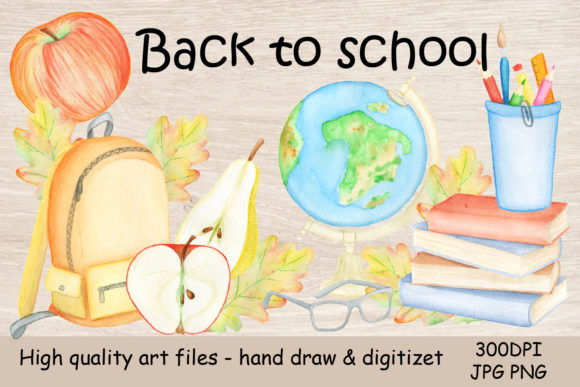
A frequent misunderstanding is that all clipart looks flat or mass-produced. Standard vector icons lack texture and organic warmth. A hand-drawn watercolor set offers subtle color variations, visible brush strokes, and an artistic feel that standard digital tools struggle to replicate. The 100 hand-drawn elements in this collection provide you with a cohesive library of autumn and school-themed motifs, from piles of books and apples to falling leaves and cozy seasonal accents.
Because this set comes as both PNG files with transparent backgrounds and JPG files with white backgrounds, you have the flexibility to use them in almost any project without fighting unwanted backgrounds. The 300 DPI resolution further ensures you are not limited to screen use. This blend of artistic origin and technical precision is what makes a quality clipart set a worthwhile investment for creators at any level.
Common Pitfalls When Selecting and Using Digital Watercolor Clipart
Let us look at some specific oversights that can affect the quality, cost, and usability of your final project. Correcting these small habits will save you time and help your work look intentional rather than assembled.
1. Misunderstanding PNG and JPG Best Uses
Many beginners grab the JPG file because it appears ready to use, but then struggle to place it on a colored background without a white box ruining the effect. The mistake is using a JPG when a transparent overlay is required. This leads to frustration and extra editing work to cut out the background manually, which often looks messy.
The better approach is straightforward. Use the PNG files for layering on colored surfaces, creating logos, or placing artwork over photos in software like Photoshop, Illustrator, Procreate, or Canva. Reserve the JPG files for projects that specifically need a solid white backing, such as certain print-on-demand templates or simple flyers. Having both options at 300 DPI ensures you maintain high resolution whether you are printing on a t-shirt or a canvas tote bag.
2. Overlooking the Watercolor Texture as a Design Asset
Some users expect perfectly crisp, sterile vectors and feel disappointed when they see natural watercolor bleeding or slight texture variations. They mistakenly see this as an imperfection. In reality, this hand-painted quality is the main reason to purchase a set like this.
Authentic watercolor clipart brings a tactile, artistic feel to digital projects. It stands out in a sea of flat, uniform icons. If you need perfectly symmetrical shapes, this is not the right choice. But if you want to convey a handmade, warm, and earthy Back to School.Autumn mood, the organic edges and color blends are exactly what will make your product feel unique and valuable. Embrace the texture instead of fighting it.
3. Ignoring the Thematic Constraints of the Collection
A frequent mistake is buying a seasonal pack and trying to force it into a completely different aesthetic. This particular set is specifically curated for fall and educational themes. Using a pumpkin or a stack of books for a summer beach project would feel disjointed and confuse your audience.
Instead, lean into the season. This clipart is ideal for designing autumn t-shirts, Halloween-adjacent classroom decor, Thanksgiving menus, cozy mugs, or September blog headers. When you respect the theme, your design feels cohesive. The 100 elements give you plenty of variety within that scope, ensuring you are not repeating the same icon over and over. This variety allows for rich compositions for scrapbooking, card making, or pattern design.
4. Underutilizing the Customization Potential
Many people treat digital clipart as a fixed, unchangeable element. They download the PNG and place it as-is. While that works, you are missing half the value if you stop there. The application note for many hand-drawn sets encourages users to "color them print them and color it with pencil or brushes, or use Illustrator or Photoshop to color them."
This is a powerful feature that many overlook. You can print the black-and-white versions and hand-color them with watercolor pencils or markers for a truly original physical piece. Alternatively, import them into Illustrator or Photoshop and adjust the hues to match your brand palette perfectly. This flexibility extends the life of the graphics, making the set suitable for both digital entrepreneurs and traditional hobbyists who enjoy hands-on creation.
5. Neglecting the Resolution Requirements for Print
A critical overlooked detail is resolution. Many free or cheap clipart sets are 72 DPI, which is suitable only for screen use. If you try to print them on a t-shirt, skateboard, sticker, or mug, the image will appear blurry or pixelated. This can ruin a product run and waste both money and materials.
This set is built at 300 DPI, which is the industry standard for professional printing. This means you can confidently use these elements on physical products like pillows, mugs, towels, helmets, and bags without losing quality. Always verify the DPI before purchasing clipart intended for print projects. 300 DPI gives you sharp, clean results whether you are screen printing or using a print-on-demand service. It also gives you the flexibility to scale the elements to a reasonable size without degradation.
6. Misunderstanding Commercial Use Rights
A significant concern for small business owners is whether they can legally use clipart to sell products. Some licenses are restrictive, allowing only personal use. This creates legal and ethical problems if you use the art for your business. The description for this collection specifically states the art can be used "on products t-shirt, bags, skateboards, helmets, pillows, mugs, towels" and "to create your own logos, stationery, patterns, and more."
This signals a commercial-friendly license. However, it is always wise to download and read the specific terms provided by the seller upon purchase. Understanding your license upfront prevents project delays and ensures you can monetize your work without worry. If you are a freelancer or small business owner, this step is non-negotiable for staying professional.
Practical Advice for Getting the Best Results
To use your design elements effectively, start by opening the transparent PNG files in your design software. Group and arrange the elements to create a balanced composition. Since the set offers 100 unique drawings, you have abundant material for scrapbooking, card making, or fabric pattern design without needing to source additional assets.
If you are designing a logo, the hand-drawn watercolor style works beautifully for a bakery, a school event, or a fall festival. It communicates authenticity and craftsmanship. If you are an educator, combine several elements to build an engaging back-to-school bulletin board, classroom labels, or a seasonal newsletter. The combination of high resolution and artistic texture ensures your final output looks curated, not cobbled together from random free assets.
What to Verify Before You Download or Buy
Before adding a clipart set to your workflow, take a moment to check a few key details. File count matters: 100 elements provides a substantial library compared to smaller packs. Resolution is critical: confirm it is 300 DPI for print versatility. Format is essential: PNG with transparency gives you the most design freedom. Finally, examine the style closely in the sample images. Does the "hand draw" aesthetic match the mood you need? The organic watercolor look is specific; it works wonderfully for rustic, cozy, and educational themes. If your brand is ultra-modern and minimalist, it might not be the right fit.
Choosing the right digital art is about more than just picking a cute icon. It is about selecting a tool that fits your workflow, your medium, and your message. Watercolor Clipart Back to School.Autumn combines the convenience of digital design with the soul of handcrafted art. By avoiding common file format mistakes, embracing the unique watercolor texture, and understanding the commercial potential, you can create projects that feel polished, personal, and perfectly on-theme. Whether you are a seasoned designer or a parent crafting a unique gift, this set offers the flexibility and quality needed to bring your seasonal vision to life.